The Simplicity Habit
Categories

The Shop
These resources have been created to help you to declutter and simplify your home and life.
Get more time back to spend it on what matters most to you.
Latest Blog Posts

11 Common Things Minimalists Don’t Buy or Own (for a Simpler Life)
Inside: Learn common things minimalists don’t buy or own to simplify their lives and homes. In today’s world, the temptation to buy stuff is everywhere. If you’re trying to embrace a minimalist lifestyle, it’s important to resist the perceived need those advertisements create. Instead, prioritize owning the essentials and knowing how to say “no” to…
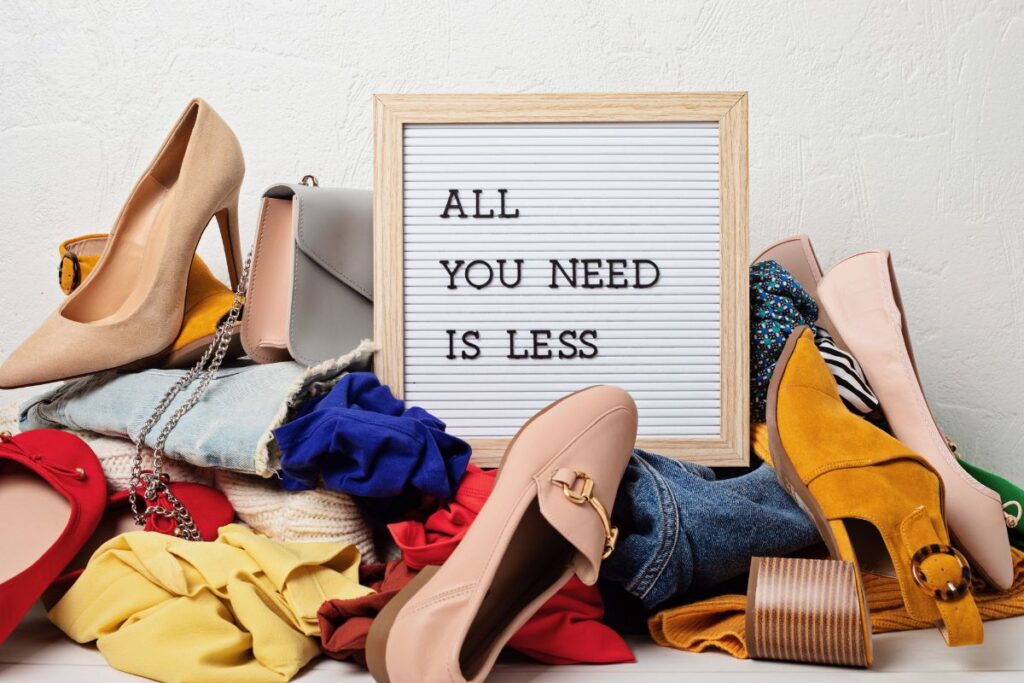
Quality vs Quantity: 5 Reasons Why Choosing Less is Best
Inside: When you consider quality vs quantity, which one wins? Here are five reasons why choosing less is best. We live in a society that celebrates consumerism. The pressure to buy is relentless. Companies spend billions of dollars every year to advertise their merchandise and try to convince you to buy their product. For many…

5 Tips for Creating Healthy Boundaries in Your Life, According to Psychology
Inside: Use these five tips for creating healthy boundaries in your life to achieve a better balance. When we think about taking care of our health and well-being, a few things come to mind pretty quickly: a healthy diet, staying hydrated, getting exercise, and yearly doctor’s appointments. One thing that doesn’t often come to mind…
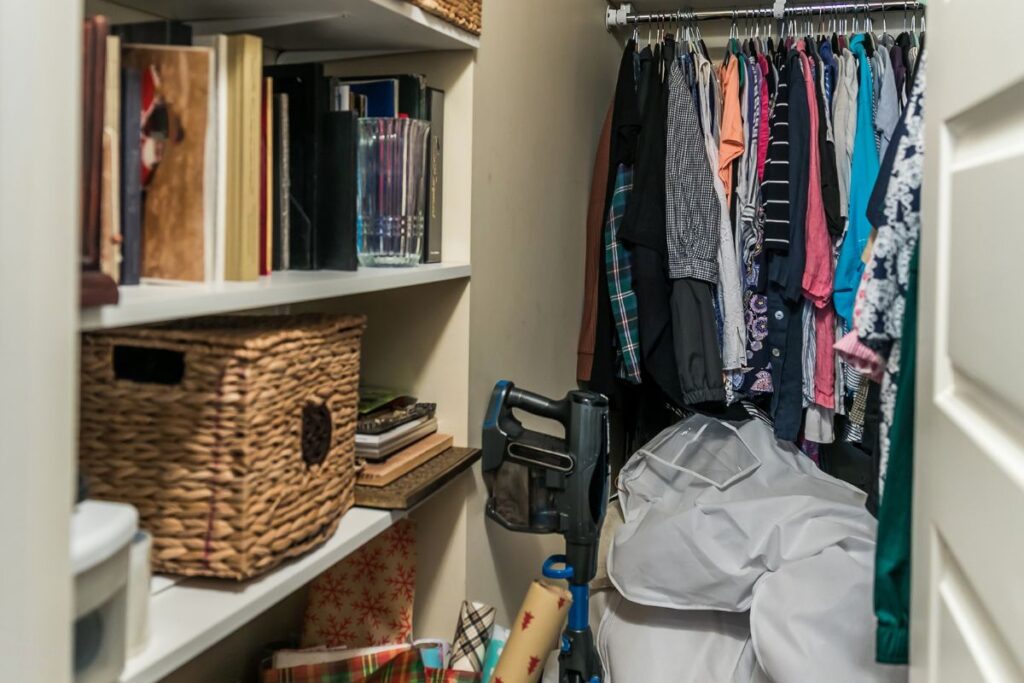
The Top 10 Things That Make Your Closet Look Cluttered
Inside: Do you dread opening your closet to get ready in the morning? Here are the top ten things that make your closet look cluttered and how to create a more organized space. When it comes to household clutter, one spot is particularly susceptible – our closet. It’s easy to see why. The closet is…
7 Smart Strategies to Help You Stop Buying Things You Don’t Need
Inside: Use these smart strategies to help you stop buying things you don’t need. They’ll help you to simplify and save more money. Do you want to curb your spending – but can’t seem to help yourself when the urge to buy something new strikes? Do you find yourself buying things you don’t need, with…
5 Habits of People Who Have an (Almost) Effortlessly Clean Home
Inside: Learn five key habits of people who have a clean home so that you can use them in your space. A clean home is always the goal… but is it always our reality? For many of us, the answer is no. Keeping our homes clean and tidy is an ever-present challenge. When you’re juggling work,…
Welcome
Get weekly simplifying & decluttering tips sent to your inbox!
You’ll also get 8 Quick Wins for Decluttering to help you get started on your simplifying journey.